

Why Is Your Commercial Refrigerator Not Cooling Properly? Common Causes
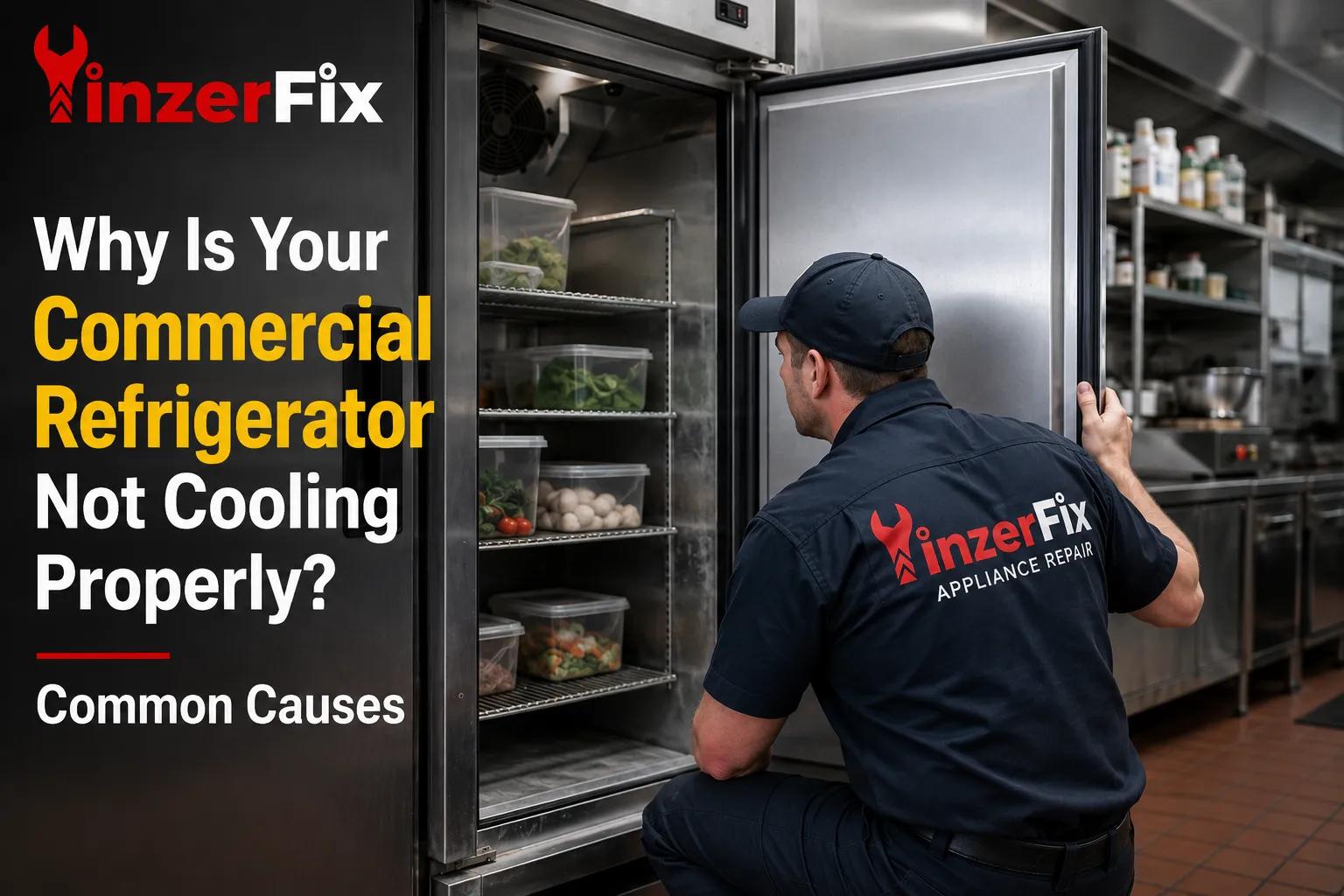
A commercial refrigerator that is not cooling properly can quickly become a serious problem for restaurants, cafés, grocery stores, and other food-service businesses. Even a small temperature increase can affect food quality, safety, and daily operations. If your unit is running but the interior is not staying cold enough, understanding the possible causes can help you identify the problem before it becomes a major breakdown.
If basic troubleshooting does not solve the issue, professional Commercial Refrigeration Repair Pittsburgh services may be needed to inspect the system and identify the underlying fault.
1. Dirty Condenser Coils
One of the most common reasons a commercial refrigerator struggles to cool is dirty condenser coils. These coils release heat from the refrigeration system. When they become covered with dust, grease, or debris, heat cannot escape efficiently.
As a result, the refrigerator may run for longer periods while still failing to maintain the correct temperature. Regular cleaning can help the system operate more efficiently.
2. Blocked Airflow
Proper airflow is essential for maintaining an even temperature inside a commercial refrigerator. Shelves packed too tightly with food can block the circulation of cold air.
Check that products are not covering interior vents. Also make sure there is enough space around the refrigerator's exterior ventilation areas.
3. Faulty Evaporator Fan
The evaporator fan circulates cold air throughout the refrigerator compartment. If the fan motor fails, becomes obstructed, or develops another mechanical problem, some areas may remain cold while others become noticeably warmer.
A failed fan can also cause unusual noises or inconsistent cooling.
4. Damaged Door Gasket
A worn or damaged door gasket can allow warm air to enter the refrigerator. You may notice condensation around the door or that the unit seems to run constantly.
Inspect the gasket for cracks, gaps, or sections that no longer seal tightly. Replacing a damaged gasket is often much simpler than dealing with the larger problems caused by prolonged temperature fluctuations.
5. Problems With the Thermostat or Temperature Control
If the thermostat is not accurately sensing the interior temperature, the refrigerator may not cycle correctly. A faulty control can cause the compressor to run too little, run continuously, or maintain an incorrect temperature.
Temperature-control problems usually require testing to determine whether the thermostat, sensor, or another control component is responsible.
6. Refrigerant Problems
Low refrigerant can prevent a commercial refrigerator from producing sufficient cooling. Refrigerant does not normally disappear simply through regular operation, so a low charge may indicate a leak or another refrigeration-system issue.
Because refrigerant systems require specialized equipment and handling, this is a job for a qualified refrigeration technician rather than a DIY repair.
7. Compressor Problems
The compressor is one of the most important components in a commercial refrigeration system. If it is struggling to start, overheating, making unusual noises, or failing to operate, the refrigerator may not cool properly.
Compressor issues can have several causes, including electrical problems, overheating, mechanical wear, or other refrigeration-system faults. Professional diagnosis is important before deciding whether the component needs repair or replacement.
8. Excessive Frost or Ice Buildup
Heavy frost around the evaporator area can restrict airflow and reduce cooling performance. This may happen because of a defrost-system problem, faulty door sealing, or another issue affecting the refrigeration cycle.
Simply removing visible ice may provide temporary relief, but the underlying cause should still be investigated if frost returns.
When Should You Call for Commercial Refrigeration Repair?
If the refrigerator continues to operate at an improper temperature after basic checks, professional inspection is recommended. A refrigerator that is running continuously, making unusual noises, developing heavy frost, or failing to maintain a safe temperature may have a mechanical or refrigeration-system problem.
For Pittsburgh commercial kitchens, YinzerFix Appliance Repair provides appliance andCommercial Refrigeration Repair Pittsburgh, with technicians able to diagnose problems involving commercial refrigeration equipment.
Prompt attention can help prevent a relatively small component problem from developing into a larger equipment failure and can reduce the risk of losing refrigerated inventory.
Final Thoughts
A commercial refrigerator that is not cooling properly can be caused by something as simple as restricted airflow or a damaged gasket, but it can also indicate a more serious problem with the fan, compressor, thermostat, or refrigeration system. Regular maintenance and early attention to temperature changes are important for keeping commercial refrigeration equipment dependable. If troubleshooting does not restore proper cooling, professional inspection is the safest way to determine what is wrong and what repair is appropriate.